Wrongful Dismissal Lawyer in Ontario


Dismissed From Your Job? Understand Your Rights Before You Sign Anything

Losing your job can create immediate uncertainty about your income, benefits, career, and family responsibilities. Although an employer may present a termination letter or severance package as final, the offer may not reflect everything you are legally entitled to receive.

Before signing a release, accepting a severance package, or agreeing to the employer’s version of events, consider having the documents reviewed by an experienced employment lawyer. Van Dyke Law helps employees understand their rights, assess termination packages, and determine whether further compensation may be available.

Call Now | Request a Free Consultation
scales-1

Solo Practioner

30-icon

30+ Years of Expertise

time-1

Quick Response Time

"*" indicates required fields

This field is hidden when viewing the form

What Is Wrongful Dismissal?

Wrongful dismissal does not necessarily mean an employer had no right to end the employment relationship. In Ontario, an employer can dismiss a non-unionized employee without cause, provided it gives the employee the notice of termination or compensation required by the employment contract and applicable law.

A dismissal may be wrongful when the employer fails to provide sufficient working notice, termination pay, severance pay, or common-law reasonable notice. Ontario’s Employment Standards Act, 2000 establishes minimum termination requirements, but some employees may have greater rights under their contracts or the common law.

The value of a claim therefore depends on more than whether the employer was permitted to terminate employment. The central question is often whether the employee received everything they were owed.

Do You Have a Wrongful Dismissal Claim?

A legal review may be appropriate when a dismissal involves:

  • Inadequate termination or severance pay
  • No advance notice of termination
  • An allegation of serious misconduct or just cause
  • A substantial change to compensation, duties, hours, or workplace location
  • A breach of the employment contract
  • Termination during a medical, parental, or other protected leave
  • Retaliation after raising workplace or human-rights concerns
  • Pressure to sign a release before obtaining legal advice

Even where an employer has provided the minimum amount required by employment standards legislation, the employee may still have additional contractual or common-law entitlements.

Employment Law Matters We Handle

Employment disputes can arise before, during, or at the end of the working relationship. Van Dyke Law provides advice and representation relating to:

  • Wrongful dismissal
  • Constructive dismissal
  • Severance package reviews
  • Termination without cause
  • Termination for cause
  • Employment contract reviews
  • Workplace bullying and harassment
  • Human-rights violations
  • Disability-related employment disputes
  • Employment mediation
  • Breach of fiduciary and related duties
  • Termination while an employee is on leave

Understanding Severance Pay in Ontario

Severance pay is often used informally to refer to any payment made when employment ends. Legally, however, termination pay and statutory severance pay are different entitlements.

Termination pay may be provided instead of the advance working notice required under the Employment Standards Act. Statutory severance pay is a separate entitlement available only when specific eligibility requirements are met. The legislation establishes minimum standards rather than determining every employee’s full entitlement.

Depending on the employment contract and circumstances, an employee may also be entitled to common-law reasonable notice. Relevant considerations commonly include:

  • The employee’s age
  • Length of service
  • Nature of the position
  • Experience, training, and qualifications
  • Availability of comparable employment

No single factor determines the result, and there is no automatic formula that provides one month of pay for every year worked. A lawyer can compare the employer’s offer with the employee’s potential statutory, contractual, and common-law rights.

Constructive Dismissal Explained

An employee does not always need to be formally fired to have a dismissal claim. Constructive dismissal may occur when an employer makes a serious unilateral change to an essential term of employment or creates circumstances that fundamentally alter the employment relationship.

Examples may include:

  • A significant reduction in salary or commissions
  • Major changes to job duties
  • A demotion
  • A forced relocation
  • A substantial reduction in hours
  • A toxic or hostile working environment
  • The removal of important responsibilities or benefits

Resigning without legal advice can put an employee’s rights at risk. Anyone considering resigning due to workplace changes should have their circumstances reviewed before leaving whenever possible.

Can You Be Fired for Cause?

Employers sometimes allege just cause to end employment without notice or compensation. However, cause is generally reserved for serious misconduct or conduct that has fundamentally damaged the employment relationship.

An allegation of poor performance does not automatically establish cause. The surrounding circumstances may matter, including whether expectations were clear, concerns were documented, warnings were given, and the employee had a reasonable opportunity to improve.

Employees should not assume an employer’s allegation is legally correct. A termination letter and the events leading up to the dismissal should be reviewed before the employee accepts that no compensation is owed.

What to Do After Being Dismissed

The period immediately following a dismissal can affect an employee’s ability to assess and protect a potential claim.

Consider taking the following steps:

  • Do not immediately sign a termination agreement or release
  • Keep the termination letter and severance package
  • Locate your employment contract and any amendments
  • Preserve pay records, benefit information, performance reviews, and workplace policies
  • Save relevant emails and written communications lawfully in your possession
  • Record what was said during the termination meeting
  • Note any deadline included in the employer’s offer
  • Obtain legal advice before accepting the package

Employees should also continue making reasonable efforts to find comparable work, as post-termination earnings may affect a common-law claim.

insurance claim benefits

How Van Dyke Law Can Help

Employment termination disputes can involve overlapping statutory, contractual, common-law, disability, and human-rights issues. Van Dyke Law can:

  • Review employment contracts and termination documents
  • Assess the adequacy of a severance offer
  • Determine whether a wrongful or constructive dismissalmay have occurred
  • Respond to allegations of cause
  • Negotiate directly with employers and their lawyers
  • Assist with mediation
  • Pursue litigation when a reasonable agreement cannot be reached
Conceptual Image Of A, Judge's Gavel And A Stethoscope Medical

Why Choose Van Dyke Law?

Van Dyke Law brings extensive civil litigation experience to employment disputes throughout Ontario. Clients receive personalized advice rather than a one-size-fits-all assessment.

The firm offers:

  • Direct, one-on-one legal guidance
  • Experience negotiating employment disputes
  • Careful review of contracts and severance packages
  • Mediation and courtroom advocacy where required
  • Representation across Eastern Ontario
  • Free initial consultations


Ottawa

Main Office

1000 Innovation Drive, Suite 500 Ottawa, Ontario
613-592-8500
Monday - Friday: 8am - 5pm

Kingston

Main Office

Suite 104 - 1473 John Counter Boulevard Kingston, Ontario
613-544-1206
Monday - Friday: 8am - 5pm

Belleville

Main Office

1 Bridge Street East, Suite 300 Belleville, Ontario
613-966-9060
Monday - Friday: 8am - 5pm

Trenton

We work hard for our clients in the Trenton area who have a personal injury claim from disability or catastrophic impairments to obtain maximum compensation.

Smith Falls

We have obtained positive legal settlements for residents in Smiths Falls dealing with motor vehicle accidents, a slip and fall, or difficulty with their insurer.

Picton

We are dedicated to assisting individuals in Picton who have been injured due to the negligence of others. We manage a wide array of claims to provide the expertise you need.

Napanee

If you've suffered injuries due to the negligence of others in Napanee, we're here to support you. We have over 30 years of experience dealing with personal injury claims.

Gananoque

Injured in an accident due to someone else's negligence in Gananoque? We are here for support, and offer free legal consultation with an experienced personal injury lawyer.

Cornwall

Our clients in Cornwall benefit from more than 30 years of personal injury legal expertise, starting with a free consultation, to support them after they have been in an accident.

Brockville

With extensive experience in personal injury law, we are committed to protecting the rights of those who have been wrongfully injured in Brockville.

Southern Ontario

We bring extensive experience in handling various claims across Southern Ontario to deliver top-tier legal representation to our clients.

What Our Clients Have To Say

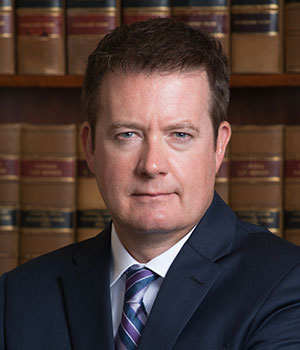
frank-vandyke

Obtaining Maximum Compensation for Our Clients

“I work hard to build trust with my clients, communicating regularly so that they know I have their back.”
– Frank Van Dyke

law-society-of-ontario (1) american-association-forjustice (1) ccla-logo ontario-trial-lawyers-logo law-society-logo

Contact Van Dyke Law

A dismissal can create uncertainty about your income, benefits, and future employment. Contact Van Dyke Law for a free consultation to discuss your termination, severance package, and any available legal options.

Our Kingston, Ottawa, and Belleville offices serve employees throughout Eastern Ontario, with in-person, telephone, and virtual consultations available.

"*" indicates required fields

This field is hidden when viewing the form

From Address: To:

Frequently Asked Questions

A dismissal may be wrongful when an employer fails to provide the notice, termination pay, severance pay, or common-law compensation to which the employee is entitled.

Generally, yes. A non-unionized employee may usually be dismissed without cause if the employer meets its legal obligations regarding notice or compensation.

It is usually wise to obtain legal advice first. The offer may contain a release that, once signed, prevents future claims.

Entitlement depends on the legislation, employment contract, age, service, position, and availability of comparable work. The statutory minimum may not represent the full amount available.

Constructive dismissal may occur when an employer makes a major unilateral change to the employment relationship, such as significantly reducing pay, hours, status, or responsibilities.

Employment can sometimes end during medical leave, but an employer cannot lawfully discriminate on the basis of disability or avoid its accommodation obligations. The reason and surrounding circumstances should be reviewed.

Do not assume the allegation eliminates your rights. Cause has a demanding legal threshold, and the employer’s position may be challenged.

Many Ontario civil claims are subject to a basic two-year limitation period beginning when the claim is discovered, although different processes and deadlines may apply. Prompt legal advice is important.

Van Dyke Law offers a free initial consultation so you can discuss the dismissal and learn about the available options before deciding how to proceed.